
The Family’s Search for Truth
The Birthday PartyThis thread traces how the family’s private explanations repeatedly give way to hard evidence and more painful disclosures.
increasing Bearing strength in each event
 decreasing
Bearing strength in each eventdecreasingAn Ordinary Party
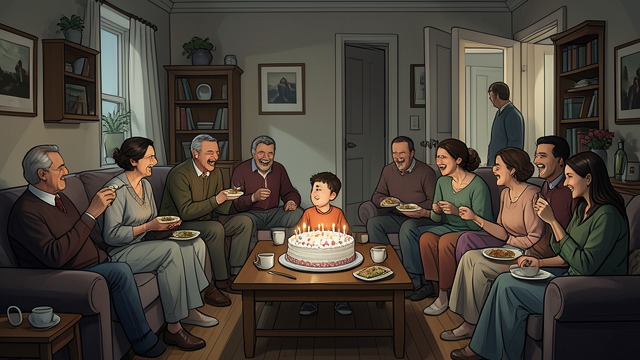
Safety as Assumption
A Familiar Setting
Charlie attends a cousin’s birthday party with relatives, teachers, neighbors, and entertainers. The adults assume that a crowded family gathering is safe.
The Assumption Breaks
Charlie disappears amid the celebration, showing how ordinary trust can become a vulnerability. The setting that should protect her also provides cover for an abductor.
A Story Repeated
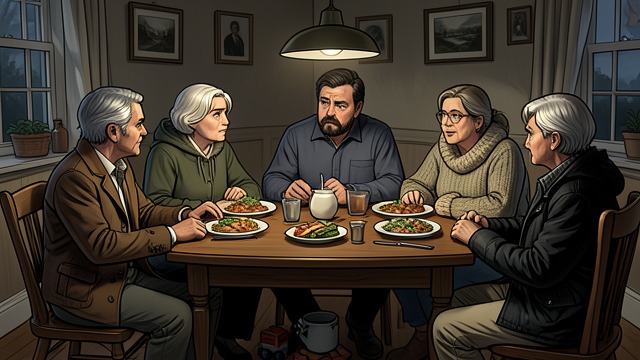
Explanations Before Evidence
The Family Guesses
The adults first assume Megan collected Charlie, then consider a playground or ice-cream stop. Those explanations soothe them until each fails.
Uncertainty Takes Over
With no confirmed witness, the family cannot distinguish a mistake from a crime. Their guesses reveal how the mind tries to make absence ordinary before accepting danger.
Private Lives on Display

A Family Becomes News
Public Questions
Reporters expose Kathy’s absence from the refuge and photograph Mitch being questioned. The family’s private decisions become material for public suspicion.
Reputation Replaces Understanding
The media’s need for a compelling story encourages the town to interpret incomplete facts as guilt. Exposure does not automatically produce truth; it can also distort it.
A Body Misidentified by Fear
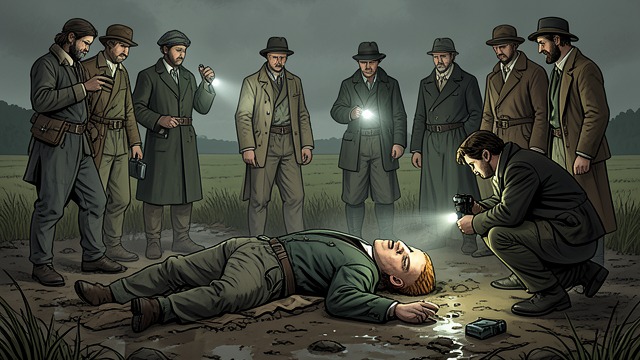
The Brewery Discovery
An Unidentified Child
A headless body is found, and Charlie’s family is told it may be her. The absence of a head prevents immediate identification and extends the agony of uncertainty.
Another Child’s Story
The body proves to be Olivia’s. The discovery brings one family an answer while reminding Charlie’s family that a frightening clue may not be the answer they fear.
Confession Replaces Guesswork
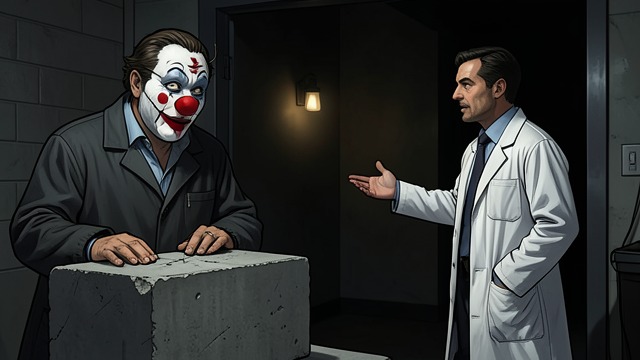
A Perpetrator Named
Evidence and Admission
DNA on the clown mask, the body in concrete, and Harris’s accidental disclosure connect the professor to Charlie’s abduction. His explanation identifies both his motive and method.
The Value of Facts
The confession cannot restore Charlie, but it ends the family’s reliance on competing theories. The distinction between what is suspected and what is proven becomes essential to justice.
June 12, early afternoon
June 12–13
June 13–14
Several days after June 12
Near the end
